
Cougar History and Ecology Part 2-Range
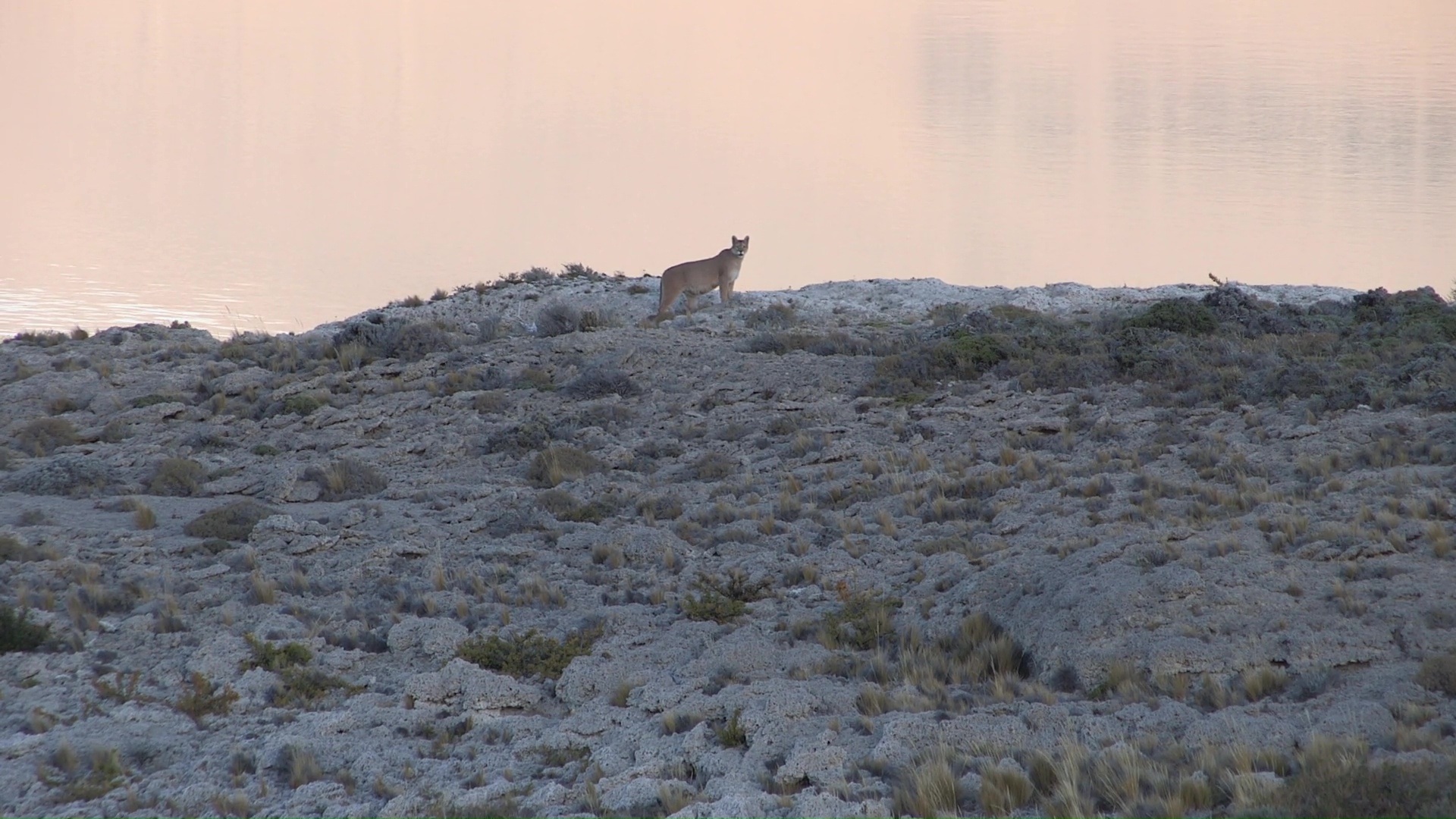
There are many different names for cougars, and this is actually evidence of how far they once ranged. They were present from southern Canada and Alaska through the entire lower forty eight, into Central America, and all the way down to the tip of South America in Patagonia. This variety exists because, in the days before mass communication, every settlement had its own way of referring to cougars. In the eastern United States, people tended to use catamount, short for “cat of the mountain,” or painter, a variation of panther, the name by which the lion is still known in Florida. In Mid America, they were sometimes called ghost cats. The Rocky Mountain region favored mountain lions, while the West Coast, the Pacific Northwest, and Canada most often referred to them as cougars. Indigenous peoples also used wonderfully descriptive terms. The Cree peoples called them katalgar, “the greatest of wild hunters,” and the Cherokee called them klandagi, “lords of the forest.” In Central and South America, the Incas’ use of puma led to the Spanish term puma concolor, ultimately gave rise to the species’ scientific name. It means “cat of one color,” a coat that allows them to blend into almost any environment, yet one that did not save them from persecution. Even though the cougar has been driven from much of its spectacularly vast range, these names live on. They remind us of the resilience of an animal that survived countless natural pressures, over millennia, yet was nearly made extinct in North America by man.
Video credits: Thomas D Mangelson, Puma in Patagonia; at the edge of the earth.