SCIENCE & CONSERVATION
Partnering for Borderlands Biodiversity
The Cougar Fund is partnering with Conservation Science Partners (CSP) to sponsor the study “Identifying Transboundary Corridors and Core Areas for Biodiversity Conservation in the Borderlands Region.” This collaboration supports research that maps key wildlife corridors and habitat areas across the US–Mexico borderlands.
By supporting this research, The Cougar Fund helps advance science-based strategies to identify critical wildlife corridors and core habitat areas essential for species like cougars (pumas), jaguars, black bears, and other wide-ranging mammals. Together with CSP and other project partners, we aim to ensure that these vital landscapes remain connected and resilient—supporting both biodiversity and human-wildlife coexistence for generations to come.

What the Study is About
- It focuses on the US–Mexico Borderlands, a region of exceptionally rich biodiversity that is increasingly threatened by border-infrastructure, human disturbance, climate change, and habitat fragmentation.
- The goal is to assess and map core habitat areas and movement corridors for wide-ranging mammal species (e.g., pumas, black bears, jaguars) across northern Mexico and adjacent U.S. landscapes.
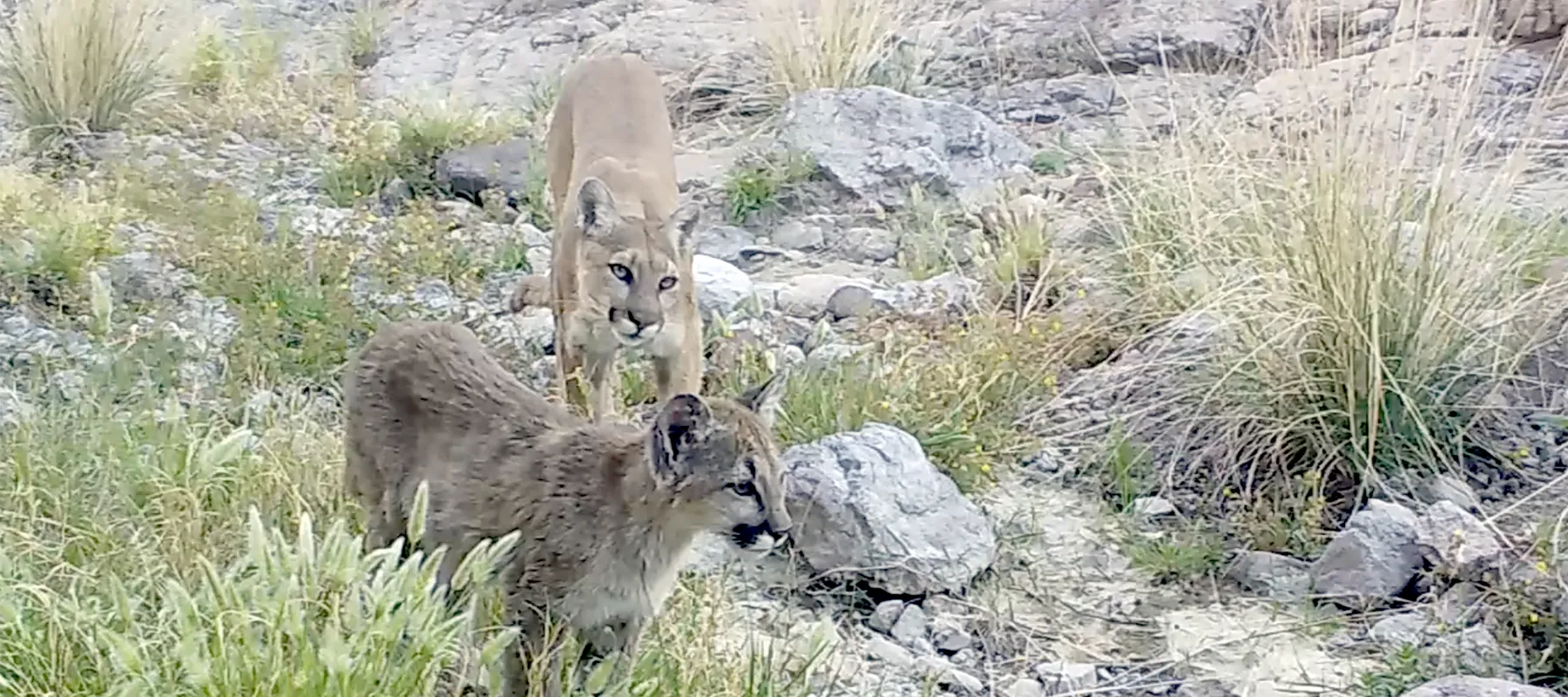
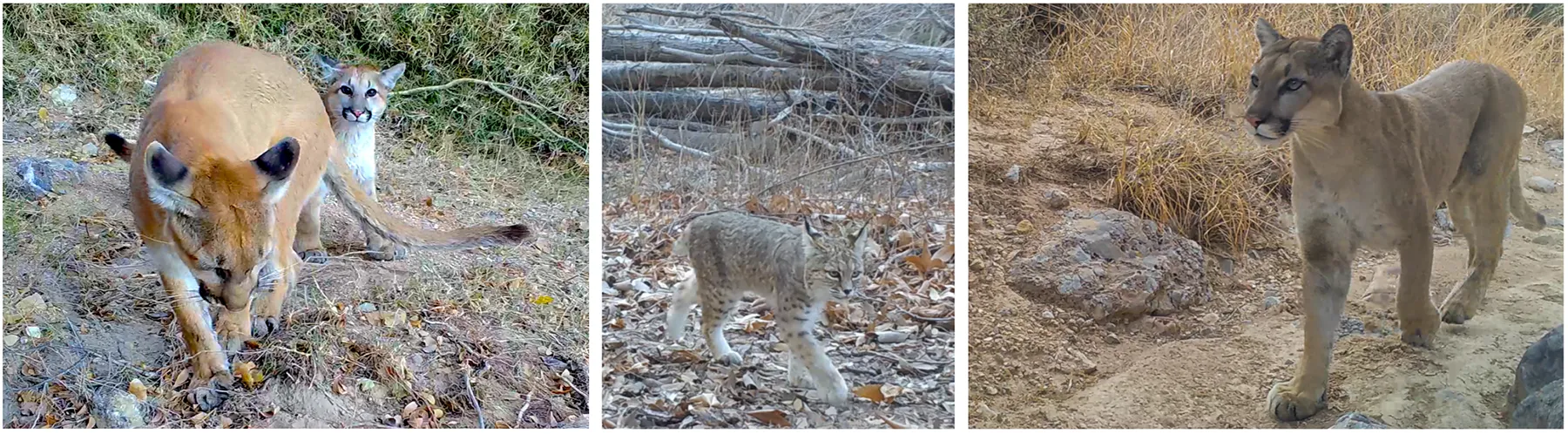
- The research includes a field-based emphasis in the Cajón Bonito Watershed / Cuenca Los Ojos, Sonora, Mexico, where data is collected using camera traps and other monitoring tools.
- It analyzes how anthropogenic features (like border barriers, roads, infrastructure) and climate stressors intersect to disrupt connectivity, and then uses modelling and prioritization to identify high-value areas for conservation action.
- The output aims to inform land-protection, restoration, and infrastructure-mitigation decisions, ensuring connectivity for wildlife and resilience under changing conditions.
Why It Matters
- Wildlife doesn’t recognize political borders—species that range widely need connected habitats to move, hunt, breed, and maintain healthy populations.
- In the Borderlands region, physical barriers (fences, roads, border control infrastructure) plus climate change pose a serious risk of fragmenting habitats and reducing biodiversity.
- By identifying core habitat areas and corridors for movement, conservation organizations and land-managers can direct resources more efficiently (e.g., acquire critical lands, restore damaged habitats, design infrastructure that doesn’t block movement).
- The study supports transboundary conservation—coordinated efforts across the U.S. and Mexico—increasing the chances of long-term ecological success.
About Conservation Science Partners
Conservation Science Partners (CSP) is a nonprofit organization that applies cutting-edge science, technology, and data analysis to solve complex conservation challenges. Their team works across disciplines and regions to provide actionable insights that guide land management, policy, and biodiversity protection. CSP partners with agencies, nonprofits, and research institutions to identify priorities for conservation and help ensure healthy, connected ecosystems for wildlife and people.
We gratefully acknowledge the HGB Foundation for making our support of this important study possible.